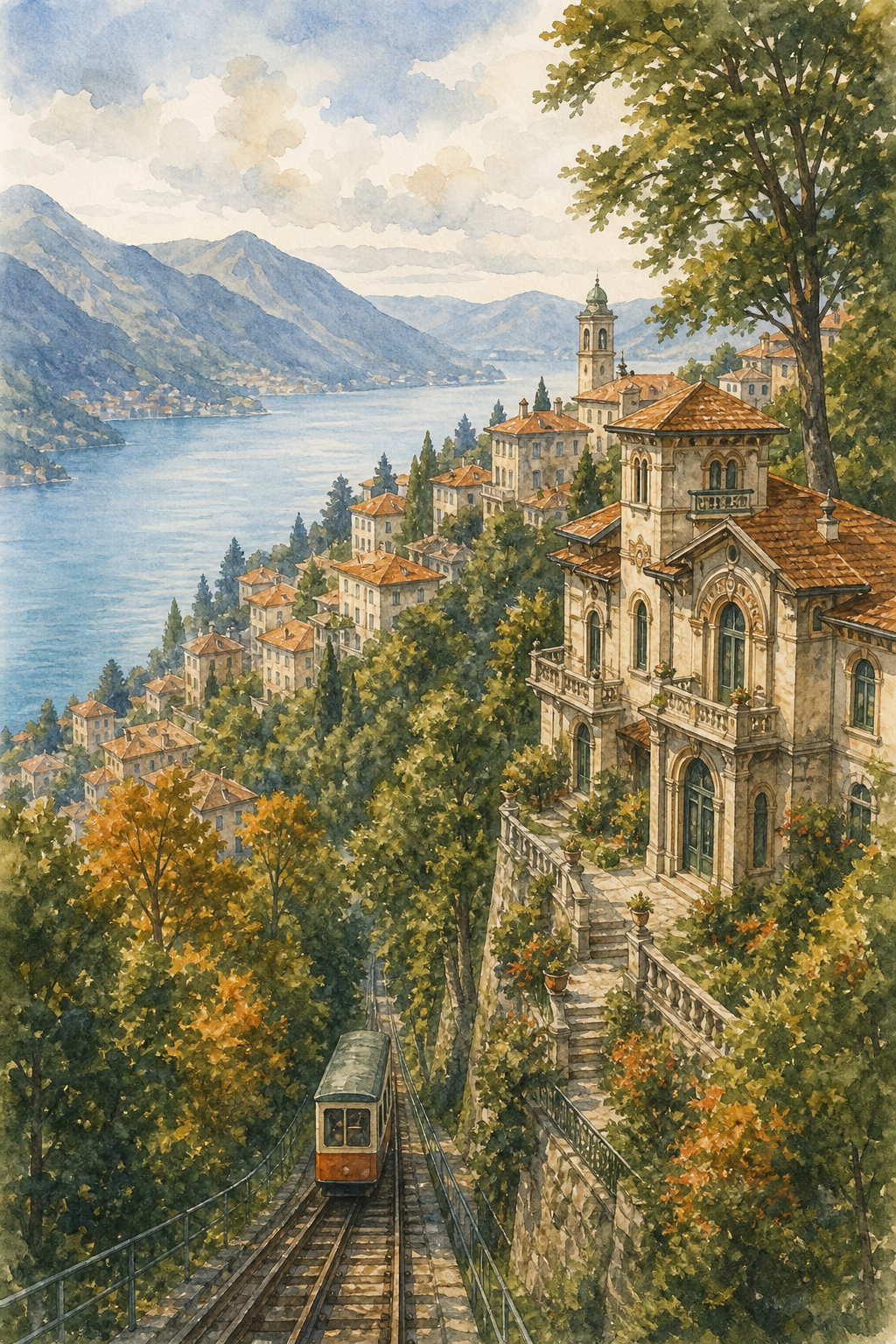
Lake Como is worth visiting. But whether it rewards you depends entirely on how you approach it. The lake draws millions of visitors each year, yet most see only the water from a ferry or a café terrace. The guests who leave satisfied are the ones who planned a little and looked slightly further than the obvious.
Table of Contents
- Step 1: Understand What Lake Como Actually Offers
- Step 2: Decide When to Go
- Step 3: Plan How to Get There and Move Around
- Step 4: Explore Brunate, the Hillside Village Above the Lake
- Step 5: Choose Where to Stay on Lake Como
- FAQ
- Conclusion
Step 1: Understand What Lake Como Actually Offers
Lake Como sits in the Lombardy region of northern Italy, roughly 45 kilometres north of Milan. The lake is shaped like an upside-down Y, with the city of Como at the southwestern tip and Lecco at the southeastern arm. The lake reaches a maximum depth of 410 metres, making it one of the deepest in Europe and a significant presence in the landscape rather than a simple scenic backdrop.
The appeal is real, and it is layered. On the water, you have ferries connecting towns like Bellagio, Varenna, and Menaggio. On land, you have walking paths, historic villas, market towns, and the hills that rise steeply above the western and eastern shores. The crowds concentrate at lake level, particularly in the main towns. But the hillsides above are quieter, older, and often more interesting.
The honest caveat: Lake Como is not a budget destination. Infrastructure in the main tourist towns is stretched in high season. Restaurants near the ferry docks price for passing visitors. If that sounds like your likely experience, it is worth knowing that the more memorable stays tend to happen away from the water's edge, up in the hillside villages where the pace and the price are both different.
For travellers who prefer a private estate to a hotel, the hills above Como offer a genuinely different kind of stay. Villino Rubini, an 1892 Art Nouveau estate in Brunate, sits in four acres of beech forest and gardens above the lake. Ten rooms spread across three buildings, a heated pool, a spa, a sauna, a gym, and a studio make it a self-contained base for anyone who wants quiet mornings and easy access to the lake below.
Key Takeaway: Lake Como rewards visitors who look beyond the main ferry towns. The hillsides above the water offer quieter access, better value, and a more genuine sense of the region.
Step 2: Decide When to Go
Timing matters more at Lake Como than at most Italian destinations. The lake has a genuine high season, a shoulder season worth seeking out, and a winter that is underrated by most visitors.
| Season | Months | Crowd Level | Weather | Best For |
|---|---|---|---|---|
| Peak | June to August | Very high | Hot, sunny, humid | Swimming, ferry hopping, outdoor dining |
| Shoulder (spring) | April to May | Moderate | Mild, some rain | Hiking, cycling, gardens in bloom |
| Shoulder (autumn) | September to October | Moderate | Warm, clearer light | Walking, photography, fewer queues |
| Winter | November to March | Low | Cool, occasionally misty | Calm stays, wellness retreats, off-season rates |
May and September are widely regarded as the most rewarding months to visit. The light is good, the main towns are manageable, and the hillside trails above the lake are at their best. August is the peak of European summer holiday season. If you go in August, book everything well in advance and plan to avoid the busiest ferry stops between 10am and 4pm.
Winter deserves more credit than it gets. The lake does not close. The villages above Como, including Brunate, stay open and quiet. If you want to read about what the colder months actually feel like up on the hill, there is a short, usable piece on experiencing Lake Como in winter worth reading before you decide.
One usable point for any season: Italian public holidays and local festivals shift crowds in ways that are hard to predict from abroad. Check the calendar for the Como area before you finalise dates.
Step 3: Plan How to Get There and Move Around
Getting to Lake Como is straightforward from several directions. Milan Malpensa airport is roughly one hour by road from Brunate, which sits above the city of Como. Milan Centrale station connects to Como San Giovanni by direct train, typically in about 40 minutes. Bergamo airport is another option, slightly further east but still usable for visitors approaching from that direction.
Once you are at the lake, movement splits into two categories: on water and on land. Passenger ferry services connect the main towns with a mix of slow car ferries and faster passenger boats. For hopping between Bellagio, Varenna, and Menaggio, the ferries are reliable and scenic. Timetables shift between summer and winter, so check current schedules before planning a day out.
On land, a car is useful but not essential if you are based in or near Como city. The roads above the lake are narrow, and parking in the main tourist towns in summer is genuinely difficult. Many visitors find they use the ferry more and the car less than they expected.
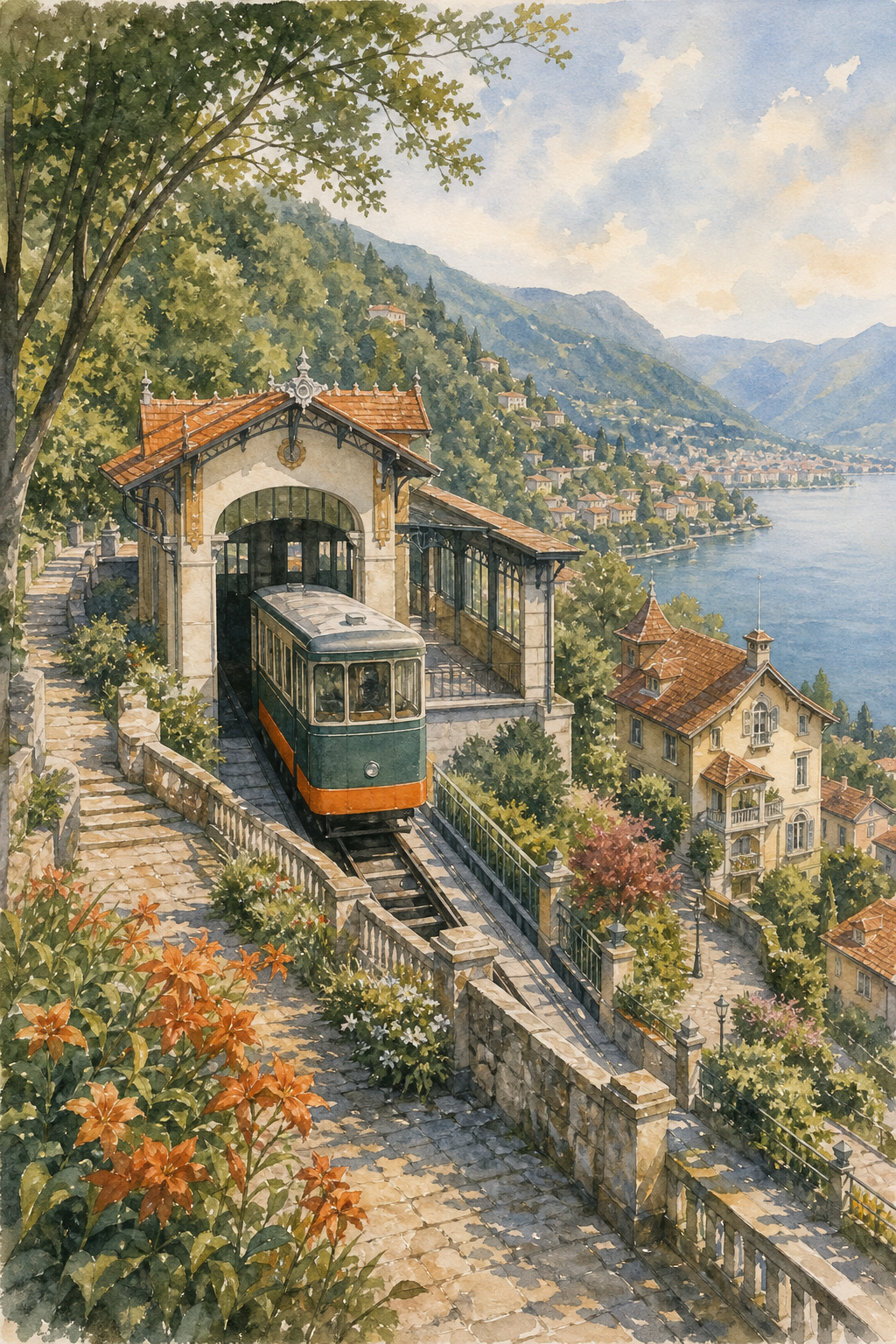
For guests staying in Brunate, the historic Como-Brunate funicular is the natural connection to the city below. It has run since 1894 and covers the climb between Como and Brunate in about seven minutes. The estate at Villino Rubini includes a private shuttle to the funicular station, which removes the one usable awkwardness of arriving in Como with luggage.
Pro Tip: If you plan to use the ferries heavily, buy a day pass rather than single tickets. The cost difference adds up quickly on a full day of moving between towns.
Step 4: Explore Brunate, the Hillside Village Above the Lake
Brunate sits at 720 metres above sea level on the hill directly above Como. Most visitors who take the funicular from Como arrive, look around for an hour, and return. That is a shame, because the village and the trails above it are genuinely worth more time.
The walking trails from Brunate connect into a broader network across the Triangolo Lariano, the triangular peninsula between the two southern arms of the lake. The Via dei Monti Lariani passes close by, linking a series of hillside villages and ridgeline paths that most lake visitors never reach. For hikers, this is the main reason to base yourself above the lake rather than at water level.
Cyclists also use Brunate as a reference point. The climb from Como to Brunate gains roughly 500 metres of elevation over six kilometres, a serious road cycling effort that draws riders training for harder Alpine passes. The descent to Bellagio on the opposite side of the peninsula is a different kind of reward for those who continue further.
The village itself is small. A few restaurants, a bar or two, a church, and narrow stone streets that the funicular's day-trippers tend to leave by mid-afternoon. By early evening, Brunate is quiet in a way that the lakeside towns rarely are.
Villino Rubini is set in the hills of Brunate, in four acres of private grounds. The estate is not visible from the funicular or the main village paths. If you are curious about what the hillside above the lake actually offers beyond the views from the funicular terrace, the Lake Como experiences available through the estate give a usable sense of how guests use the surrounding terrain, from morning walks on the ridge trails to cycling days down toward the lake.
Step 5: Choose Where to Stay on Lake Como
Where you sleep shapes everything else about a Lake Como trip. The options divide roughly into three groups: lakeside hotels in the main towns, private villas through rental platforms, and hillside stays above the water. Each suits a different kind of visit.
Lakeside hotels in the main towns
Como, Bellagio, and Varenna all have hotels ranging from modest guesthouses to large properties with pools and restaurants. The advantage is proximity to the ferries and to the restaurants and shops in each town. The trade-off is noise, crowds in season, and prices that reflect the location. For a short stay focused on the lake towns themselves, this is the straightforward choice.
Private villa rentals through platforms
Platforms like onefinestay.com list private properties on the lake, including Villa Barbra in Lombardy. The appeal of a private rental is space and privacy. The usable difficulty is that publicly available information about rooms, capacity, and what is actually included varies significantly between listings. A property that photographs well does not always match what arrives on the day. When comparing private estate options, the detail available matters as much as the images.
Hillside estate stays above Como
This is where Villino Rubini sits. The estate offers ten rooms across three buildings: the Villa, the Dependance, and the Orangerie. It accommodates up to 19 guests overnight. The grounds include a heated pool, spa, sauna, gym, and studio. Continental breakfast and daily housekeeping are included in every stay. For events, the gardens can seat up to 100 guests outdoors under a tent.
The estate works across five different booking arrangements: individual room stays with breakfast for couples or solo travellers, exclusive hire of the whole property for families or groups who want the house to themselves, interest-based experience stays built around cycling or hiking or wellness, weddings and celebrations in the gardens, and corporate retreats for small executive groups. That flexibility is unusual. Most private properties do one or two of those things well. Villino Rubini is genuinely set up for all five.
For anyone putting together a fuller picture of the region before deciding where to stay, the Lake Como travel guide on the Villino Rubini journal covers usable detail on towns, travel, and what the area around Brunate actually looks like day to day.
One honest note on the hillside option: you will not walk out of the front door and onto a boat. Como is ten minutes below. If your priority is spending every hour at the water's edge, a lakeside hotel is the more direct choice. If you want quiet mornings, space, and easy access to both the lake and the mountain trails above, staying up on the hill makes more sense than most visitors expect before they try it.
FAQ
Is Lake Como worth visiting for just one day?
One day at Lake Como is enough to get a feel for it, but not enough to enjoy it properly. A single day limits you to one or two ferry stops and a brief walk through Como or Bellagio. Two to three nights gives you time to slow down, take a morning walk, and actually rest. The lake rewards a slower pace more than a rushed itinerary.
Is Lake Como too touristy?
The main ferry towns in July and August are busy. Bellagio in particular can feel overwhelmed at midday in peak season. But Brunate, the hillside trails, and smaller villages on the Triangolo Lariano are noticeably quieter. Staying slightly above or away from the main tourist circuit changes the experience significantly. The lake is popular, but it is large enough to absorb the crowds if you look beyond the obvious stops.
What is the best base for exploring Lake Como?
Como city is the most usable base for first-time visitors. It has direct train connections to Milan, the funicular to Brunate, and ferry access to the rest of the lake. For guests who want a quieter, more private base, Brunate sits directly above and is seven minutes from Como by funicular. Bellagio works well for visitors focused on the centre of the lake.
How expensive is Lake Como?
Lake Como is not cheap. Restaurants in the main tourist towns, particularly those near the ferry docks, price at a significant premium. Accommodation in Bellagio or Varenna in high season can be surprisingly expensive for modest rooms. Staying slightly off the main circuit, or in a private estate with breakfast included, often gives better value than the headline lakeside hotel rates suggest.
Can you visit Lake Como without a car?
Yes. The train from Milan to Como is fast and frequent. The public ferry network connects the main towns effectively. Within Como, everything is walkable. The one limitation without a car is reaching villages that are not on the ferry route, particularly on the eastern shore. For most visitors spending a few days at lake level or in Brunate, a car is optional rather than necessary.
Is Brunate worth visiting on a Lake Como trip?
Brunate is worth at least a half day, and worth staying in for anyone who values quiet. The funicular ride up from Como takes seven minutes and offers a completely different perspective on the lake. The hillside trails above the village connect into serious hiking and cycling terrain. For travellers who want more than the ferry and the promenade, Brunate adds a dimension most Como visitors miss entirely.
Conclusion
Lake Como is worth visiting, but the version most people see from a busy ferry dock is only part of what the place offers. The hillside above Como, particularly Brunate and the trails that start there, is where the region gets interesting for travellers who want space and quiet alongside the lake access. If that sounds like the right combination, Villino Rubini is a good place to start planning. Ten rooms, four acres, and a private shuttle to the funicular: the logistics are simpler than most people expect.
Occasional stories from the estate, sent a few times a year at most.