
Planning a micro wedding in Italy feels intimate and personal, yet it can feel overwhelming without a clear roadmap. Below you will find a step-by-step guide that walks you through every decision, from guest list to the final weekend schedule.
Table of Contents
- Step 1: Set the guest list and wedding format
- Step 2: Build the budget and check Italian requirements
- Step 3: Choose the setting and accommodation plan
- Step 4: Arrange the ceremony, meal, and guest experience
- Step 5: Finalise suppliers, travel, and the wedding weekend
Step 1: Set the guest list and wedding format
Decide how many people you want to share the day with. A micro wedding in Italy traditionally means between two and fifty guests, a size that encourages connection and reduces travel hassles. Write down the names of immediate family, closest friends, and any essential service providers who will be present.
Next, choose the ceremony style. You can have a legally binding civil rite in the town hall, a symbolic ceremony on the estate, or a hybrid where the civil part is handled by a local official and the celebration follows in your chosen venue. A symbolic ceremony lets you personalize vows, music, and décor without paperwork, while a civil ceremony requires official documentation and witnesses.
Finally, think about the event flow. Will you host a single-day celebration, a weekend of gatherings, or a relaxed afternoon ceremony followed by an evening dinner? The answer will shape venue selection and accommodation needs. For inspiration, explore our guide to wedding venues in Italy and our curated list of Italian venues, including Villino Rubini’s Lake Como wedding venue, which offers a private estate setting for up to one hundred outdoor guests.
Step 2: Build the budget and check Italian requirements
Start with a realistic budget range. Most couples spend between €15,000 and €30,000 for a small Italian wedding, with costs rising for larger guest lists or multi-day programs. Allocate funds for venue hire, catering, photography, attire, travel, and any legal fees.
Non-EU citizens also need an affidavit from their consulate. Two adult witnesses must sign the civil marriage register.
Remember to add a contingency of 10 % for unexpected expenses such as extra transportation, weather-related rentals, or last-minute décor changes. By tracking each line item, you can see where to splurge , for example, authentic regional cuisine , and where to save, such as shared accommodation.
Step 3: Choose the setting and accommodation plan
Select a venue that matches your guest count and desired atmosphere. Villino Rubini, an 1892 Art Nouveau estate set in the hills above Lake Como, provides ten rooms across three buildings, a heated pool, spa, sauna, gym, and garden spaces for up to one hundred outdoor diners. The estate can host up to nineteen overnight guests, making it ideal for a weekend-style micro wedding where everyone stays on site.
When the guest list exceeds the on-site capacity, arrange nearby boutique hotels or B&Bs for additional rooms. Keep travel time short; the estate offers a private shuttle to the historic Como-Brunate funicular, reducing the need for individual taxis.
Consider the type of accommodation you want. A single-property stay creates a communal feel , guests meet at breakfast, mingle by the pool, and share the evening under the marquee. Alternatively, a split model lets some families stay in the villa while others enjoy a nearby countryside inn, giving each group a sense of privacy.
To visualise the perfect setting, imagine a garden tent under ancient beech trees, the sound of a fountain, and the scent of seasonal Italian blooms. This scenario captures the intimate spirit that micro weddings aim for.
Key Takeaway: Villino Rubini offers both ceremony space and on-site lodging, reducing logistics and enhancing the guest experience.
Step 4: Arrange the ceremony, meal, and guest experience
Plan the timing of the day early. Italian weddings often start later in the afternoon to take advantage of golden-hour light for photos. A typical flow might be: 4 pm ceremony, 5 pm cocktail hour, 7 pm dinner, and a late-night dance that can extend past midnight if the venue permits.
Discuss venue restrictions with your chosen estate. Some locations have a curfew for music or require a specific setup time for vendors. Knowing these rules helps you avoid extra fees for overtime.
Choose a menu that showcases regional flavors. In Lombardy, dishes such as risotto with saffron, lake fish, and local cheeses work well. Pair the courses with wines from nearby vineyards for an authentic taste of the area.
For entertainment, think about live musicians who can play classic Italian songs during the ceremony and switch to a DJ for the reception. Offer a small welcome drink , perhaps a spritz made with local prosecco , as guests arrive.
Insert a short video that demonstrates how a smooth wedding day looks in practice:
Finally, create a simple printed agenda or a digital app that tells guests where to be and when. Clear communication reduces confusion and lets everyone relax and enjoy the celebration.
Micro weddings focus on meaningful moments rather than large numbers, which aligns with the intimate setting of Villino Rubini.
Step 5: Finalise suppliers, travel, and the wedding weekend
Confirm the "big three" , date, venue, and planner , before signing contracts with any other vendors. A local planner can translate documents, coordinate with the municipality, and act as a cultural liaison, ensuring that every supplier understands the timeline.
Book photographers, videographers, and florists at least twelve months in advance. Italian vendors often have limited availability, especially in peak season.
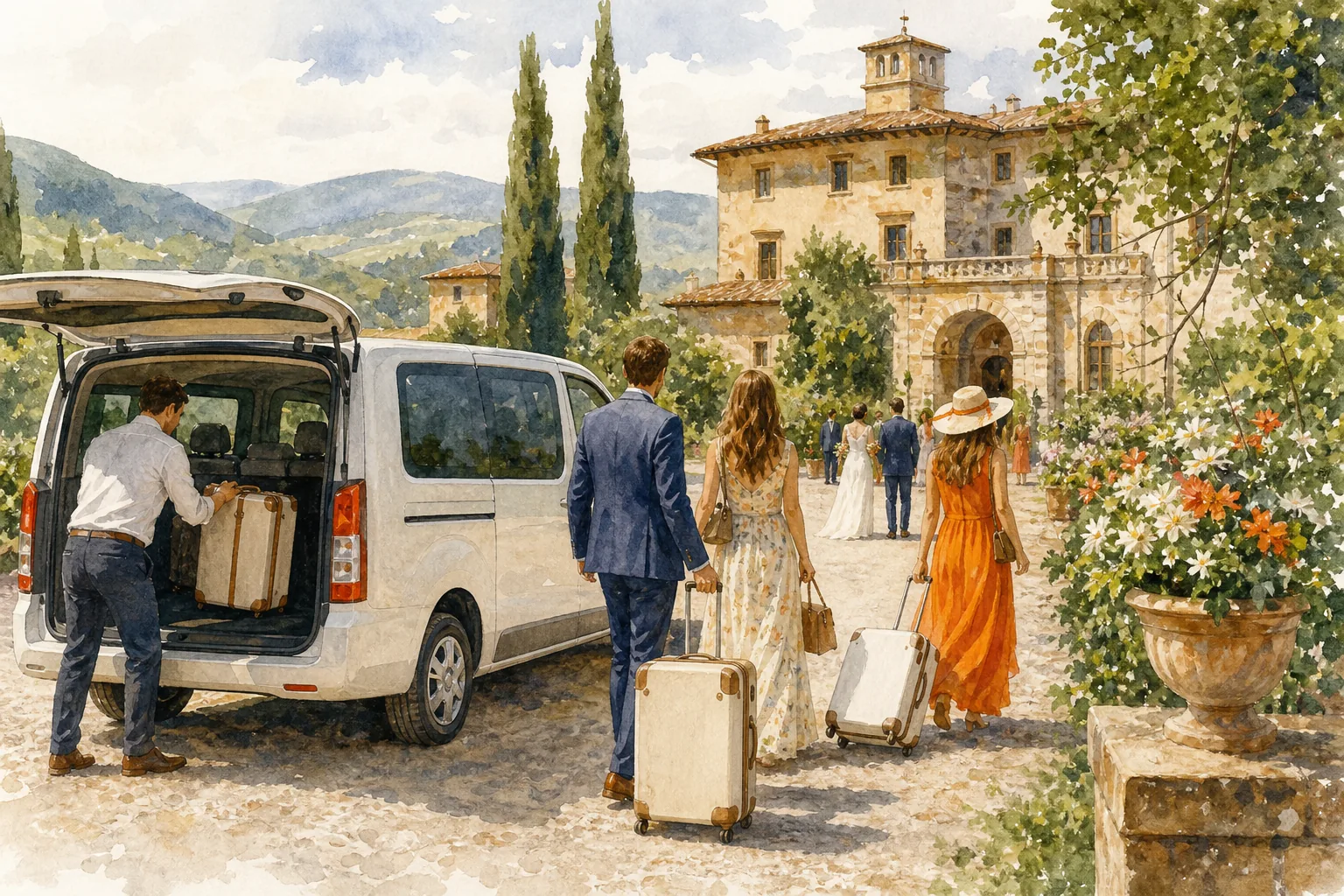
Arrange transportation for guests. A single shuttle service that picks up travelers from the nearest airport (Milan Malpensa) and drops them at the estate simplifies logistics. For late-night returns, schedule a second shuttle that departs after the final dance.
Prepare a welcome packet for each guest. Include a brief itinerary, dress-code suggestions, local restaurant recommendations, and emergency contact numbers. This small touch helps visitors feel cared for and reduces last-minute questions.
On the day before the wedding, conduct a walk-through with all vendors. Verify power outlets, sound-check the microphone, and confirm the placement of the garden marquee. A quick rehearsal prevents surprises and gives everyone confidence.
Pro Tip: Ask the estate’s staff to store a spare set of keys for the venue so the planner can access the property if a vendor arrives early.
FAQ: Micro Weddings in Italy
What is the typical guest limit for a micro wedding in Italy?
A micro wedding in Italy usually includes between two and fifty guests, allowing couples to keep the celebration intimate and manageable.
Do I need a civil ceremony to be legally married in Italy?
Yes, a civil ceremony performed by a mayor or delegated official creates a legally binding marriage that is recognised in most home countries.
Can I have both a civil and a symbolic ceremony?
Absolutely; many couples hold a brief civil rite in the town hall and follow it with a personalized symbolic ceremony at their chosen venue.
How far in advance should I book my venue?
Popular Italian venues book out twelve to eighteen months ahead, especially for spring and summer weddings, so secure your date early.
What transportation options work best for guests arriving from abroad?
Arrange a door-to-door shuttle from the nearest airport (Milan Malpensa) to the estate, and provide a schedule for late-night returns to ensure a smooth travel experience.
Micro weddings thrive on thoughtful planning and personal touches. By following these steps, you can create a memorable celebration that feels both elegant and relaxed.
We recommend starting with Villino Rubini for its historic charm, on-site accommodation, and dedicated staff. Contact the estate to discuss dates, request a detailed quote, and begin shaping your perfect Italian micro wedding.
Occasional stories from the estate, sent a few times a year at most.